





Why Mobile Account Flow Shapes The Whole Experience
Mobile casino use is judged in small moments. A player opens the account before work, checks the balance on a train, returns after dinner, and tries to move from the profile area to the lobby without losing the thread. That is where the platform earns confidence or starts draining it. Not with a loud banner. Not with a headline. With order.
Open the phone during a short break and the truth shows up fast. The menu either makes sense or it fights back. The account route either feels steady or it turns into a scavenger hunt. A product built for adult players in Canada needs to respect those short sessions because many visits are not long, relaxed, or patient. They are brief. They are practical. They need structure.
That is why login and registration topics matter more than they seem to matter. They shape the first impression, yet they also shape the fifth and tenth impression. When access feels smooth, the rest of the platform inherits some calm. When it feels clumsy, even a decent lobby starts to feel heavier than it should.
Why Ozwin Casino Sign Up Feels Different On Mobile
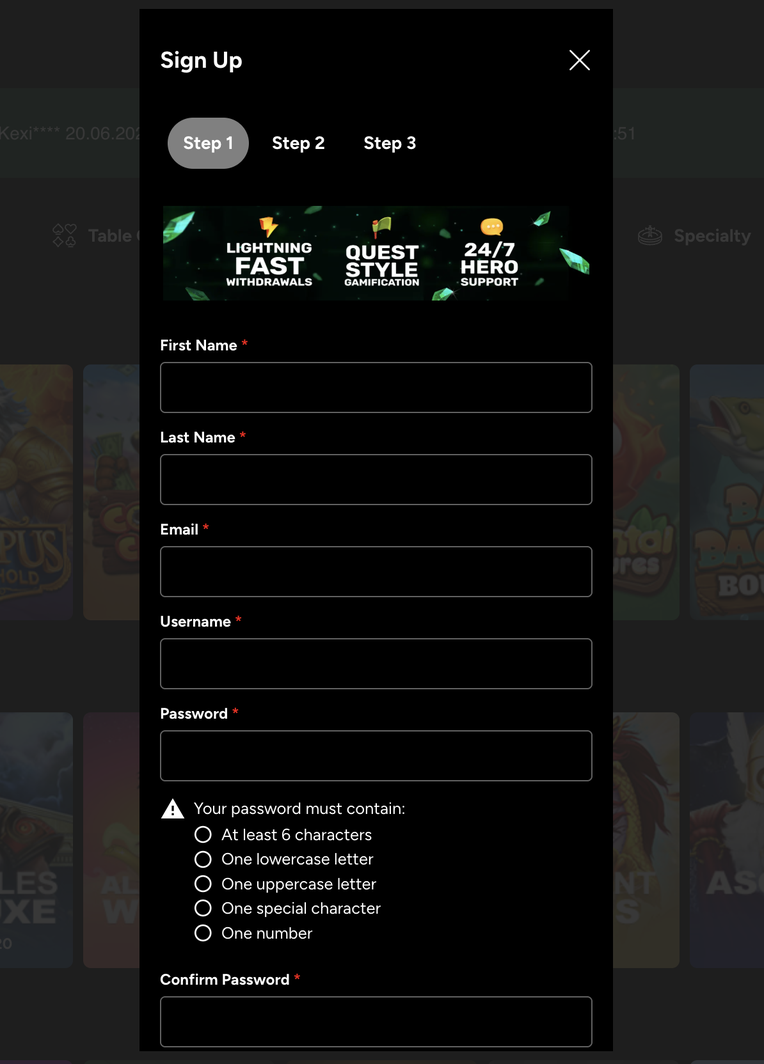
Registration on a phone is not a dramatic task, though it becomes tiring the moment the route loses discipline. Fields should follow a simple order. Buttons should say exactly what they do. The next step should appear where the eye expects it. Small details, yes. Still important.
Say a player opens the platform late in the evening with ten spare minutes. They want to create the account, understand the first offer, and reach the main screen without rereading every line twice. A good setup flow supports that rhythm. A weak one creates friction before play has even started.
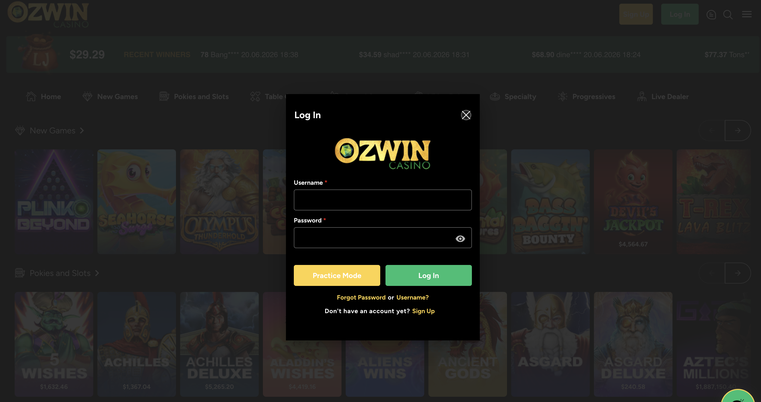
What Casino Ozwin Sign In Reveals About Platform Quality
Sign-in is boring on purpose, and that is why it is useful. It shows whether the platform respects plain, routine actions. Many products look polished in promotional areas. Fewer stay polished in the everyday parts - the account door, the balance view, the help route, the return path to the lobby. Those areas tell the truth.
A sign-in screen should not behave like a puzzle. The player needs clear fields, a stable path forward, and enough visual breathing room to avoid second-guessing. When that is present, the account starts to feel like one connected environment. When it is missing, even simple actions take more energy than they deserve.
And mobile players notice that faster than desktop users. There is less screen space, less patience, and usually less time. Someone checking the account while standing in line will not decode vague labels for fun. They will either move forward cleanly or start doubting the product on the spot.
A steady access route also influences how players judge trust. Not legal trust. Practical trust. The kind that comes from seeing that the profile area, recent activity, and support path are where they should be. One short visit can show a lot.
The Offer Journey Starts Before Any Reward Appears
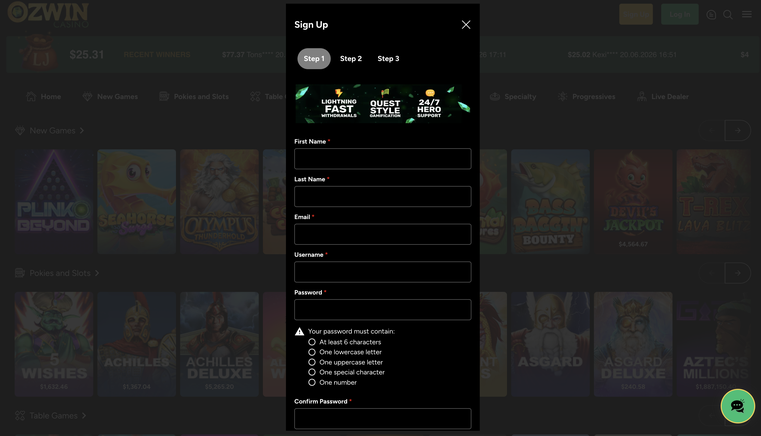
Welcome incentives attract attention, though the real experience starts before any value reaches the account. The player still has to understand the path: create the profile, confirm the basics, review the promotion details, and decide whether the offer suits the session they actually want. That sequence matters more than hype.
Open the platform after dinner and the temptation is obvious. Go straight to the headline. Chase the reward. Skip the quiet parts. But the quiet parts save time later. Reading the account basics, checking how the entry promotion works, and understanding where the reward appears create a calmer first session.
Some players care most about speed. Others care about control. The stronger product manages both. It lets the player move quickly, yet it does not hide the useful details that shape better decisions. That balance is hard to fake on mobile because the screen forces the platform to show its priorities.
This is also where good wording matters. Plain language helps. Short labels help. A clear explanation of where the incentive sits and what the player should review next helps even more. The less guesswork involved, the easier it becomes to enjoy the rest of the session without nagging uncertainty.
How Wallet Design Shapes Trust On A Small Screen
The cashier is the practical center of the casino. Not the flashiest section. Often not the most discussed. Still central. Deposits, cashouts, balance checks, and method selection all pass through it, which means wallet design influences trust more than many review pages admit.
A player may forgive a crowded category page for a while. They rarely forgive a messy cashier. The reason is simple. Money movement demands clarity. The amount field should be obvious. The payment methods should be readable. The next action should feel certain. And the route back to the account summary should remain easy to find.
Now picture a very ordinary session. The player opens the wallet during a lunch break, checks what methods are visible, backs out, and returns later in the evening to finish the transaction. A strong cashier survives that interruption. It still feels familiar when the player comes back. A weak one feels like starting over.
The same goes for cashout flow. Adult players do not want drama in that area. They want to review the amount, confirm the method, understand where the status will appear, and move on. Every extra layer of confusion makes the platform seem less mature, even when nothing is technically broken.
That is why a clean wallet does more than support transactions. It stabilizes the whole mood of the session. It says the product was built for repeated use, not just for first-click excitement.
Area | What To Check | Why It Matters |
|---|---|---|
Account summary | Balance, recent activity, profile path | Gives context before any payment choice |
Payment section | Method list, amount field, confirmation route | Reduces hesitation during deposits and cashouts |
Help access | Support link near the wallet | Makes problem solving easier under pressure |
Session tools | Limits, reminders, pause options | Helps keep adult play deliberate |
Return path | Easy route back to lobby or account | Stops the flow from feeling trapped |
Why Login Ozwin Casino Searches Keep Appearing
Searches around account access keep returning because people are not only looking for a button. They are looking for certainty. They want to know the route will be easy the next time too, not just once.
A player checking the account from a phone on a rainy commute does not care about grand claims. They care about whether the path from sign-in to wallet to lobby still feels direct under real conditions. That practical need drives repeated access queries more than curiosity ever could.
Where Ozwin Casino Mobile Login Fits Into Daily Play
Mobile access becomes part of routine faster than people expect. One short visit in the morning. Another before dinner. A final check before bed. Each visit is brief, though together they create the real opinion of the casino.
That pattern matters because repetition exposes weakness. Cluttered menus, buried support links, and awkward account routes start to feel worse over time. Solid structure does the opposite. It fades into the background, which is exactly what good design should do.
Support, Limits, And Session Control Need To Stay Visible
Support changes the experience long before the player sends a message. Just knowing where help sits lowers background tension. The same is true for limit tools, reminders, and pause settings. Visibility matters. A control hidden three menus deep does not feel like real support. It feels like a disclaimer.
Adult players in Canada need a platform that treats boundaries as part of the product rather than as an afterthought. That means the help route should be easy to spot from the account area. Limit settings should make sense without a scavenger hunt. Pause tools should appear before frustration turns into sloppy decision-making.
Consider a session that starts casually and then drifts. The player has checked the account more than once, moved through several categories, and no longer feels fully focused. That is the moment when a reminder or temporary pause becomes valuable. Good design supports that moment without making it feel dramatic or embarrassing.
Support placement also affects trust in quieter ways. A visible help path tells the player the product expects real questions. It does not pretend confusion never happens. That is a stronger signal than many glossy design elements.
And there is a practical side to this as well. A player who can quickly find session controls and support usually leaves the platform with a better impression, even when the session was short. Clear exits matter. Clear boundaries matter. They make the product feel adult.
Who This Mobile Casino Experience Fits Best
This kind of mobile experience tends to suit players who appreciate structure over noise. They want a readable account area, a wallet that does not fight back, support that stays visible, and a path through the casino that feels connected rather than patched together.
A very minimal user may still enjoy it, though the stronger fit is someone who likes having practical tools nearby. That includes people who use the platform in short bursts and return several times across the day. Those players judge the casino through repetition, and repetition is where good organization really proves itself.
There is also a temperament question here. Some players are happy to improvise every step. Others want routine. Open account. Check balance. Review offers. Enter lobby. Use cashier only when needed. Exit cleanly. The second group tends to get more value from a product that understands order and does not force them to rebuild context every time.
A useful review method is simple. Start with access. Move to the profile area. Check the promotion route. Open the wallet. Locate support. Look for session controls. Then leave. That short loop tells more truth than a pile of marketing language because it tests the places where real adults actually spend their attention.